

Known on the frontline. Missing from the boardroom.
Unknown knowns are critical risk signals that exist somewhere in the organization but do not reach the people accountable for acting.
Broken handoffs
Critical information doesn’t reach decision-makers in time.
Unmonitored controls
Control performance can degrade without visibility across the enterprise.
Unverified remediation
Tasks may be completed without evidence of meaningful risk reduction.
From board intent to evidence of action.
Connect the objective Accountability Chain across your organization.
Set direction
Board objectives, charters & policy
Assign ownership
Business processes & risk oversight
Address risk
Risk objectives & controls
Verify execution
Monitoring, testing & evidence
Inform the board
Reporting, decisions & follow-up
Clear authority
Defined roles and decision rights across the risk lifecycle.
Independent review
Challenging assumptions and validating evidence.
Confirming material risks, controls, and remediation are accounted for.
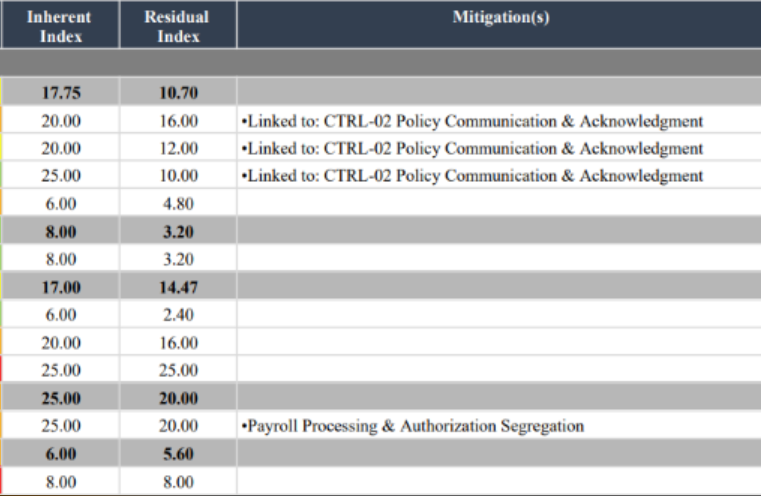
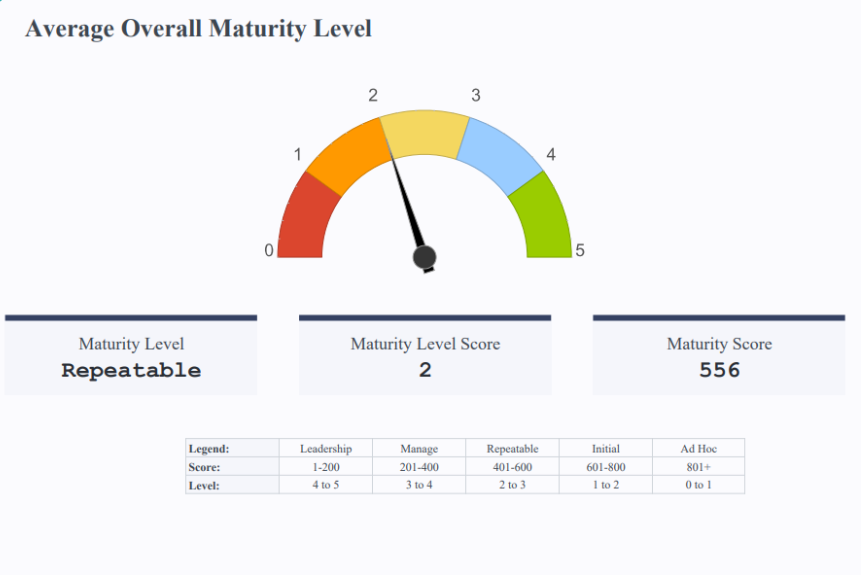
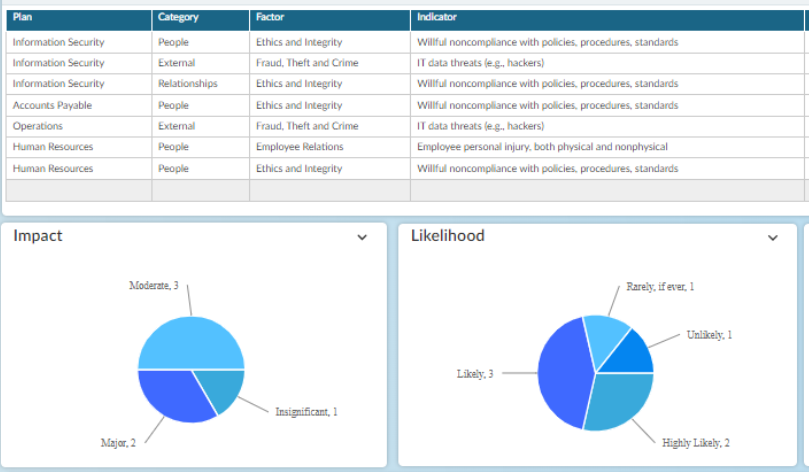
Give the board evidence it can question, trace, and act on.
Ground oversight in clear expectations.
Connect legal context and risk management guidance to practical oversight.
Understand the role of reporting systems, escalation, and documented board attention.
Legal obligations depend on jurisdiction and circumstances. This overview is educational.
Participation across the accountability chain.
Bring operational teams, reviewers, and leadership into a shared oversight process.
Clear role boundaries
Independent review and approval
Connected evidence and follow-through